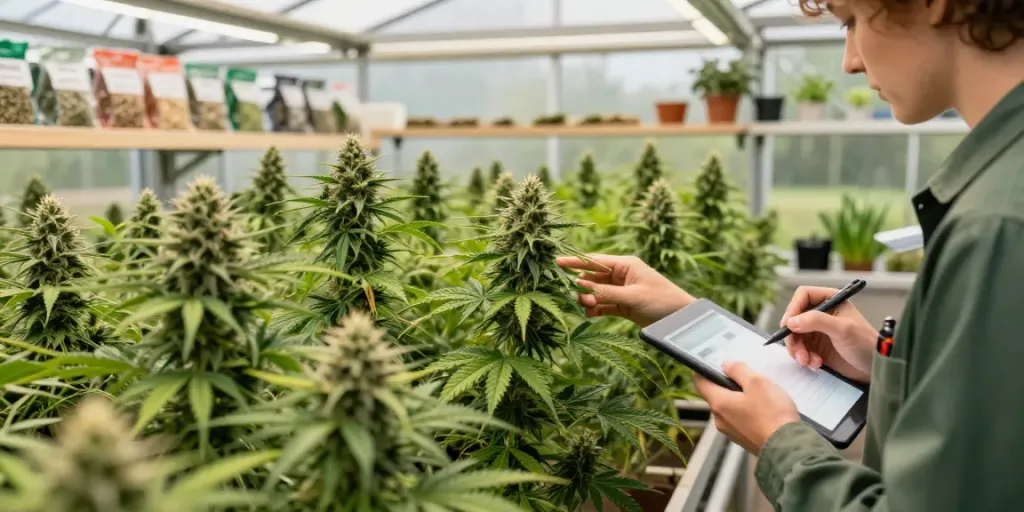
Understanding High CBD Seed Genetics
In recent years, the cannabis industry has seen a surge in demand for cannabis strains that deliver therapeutic benefits without the psychoactive effects typically associated with high THC strains. This growing interest has propelled high CBD seed genetics into the spotlight, as more growers and consumers seek options that offer a balanced cannabinoid profile. By understanding the characteristics and advantages of these seeds, both commercial and home growers can make informed decisions about their cultivation efforts. When exploring options, high CBD seed genetics provides comprehensive insights into the best practices and strains available in the market.
What Are High CBD Seed Genetics?
High CBD seed genetics refer to cannabis seeds that have been specifically bred to produce plants with elevated levels of cannabidiol (CBD), a non-psychoactive compound. Unlike traditional cannabis strains that are often bred for high THC content, high CBD strains focus on maximizing the therapeutic potential of the plant. These seeds can come in various forms—feminized, regular, autoflowering, and photoperiod—which allows growers to select the best fit for their growing conditions and preferences.
The Science Behind CBD Production
The cannabinoid profile of a cannabis plant is influenced by its genetics, with breeding practices utilizing phenotypic selection to stabilize desired traits across generations. In the context of high CBD seeds, breeders often choose parent plants that have been identified for their high CBD levels. The resulting progeny are then tested to ensure their cannabinoid profiles meet desired specifications. Understanding the underlying genetics is crucial for growers aiming for specific CBD-to-THC ratios, as these traits are inherited and expressed during growth.
Common Myths About CBD Seeds
- Myth 1: All CBD seeds are feminized.
- Myth 2: CBD cannabis seeds are illegal everywhere.
- Myth 3: High CBD strains do not produce THC.
These myths can lead to confusion and misinformation among potential growers. It’s important to conduct thorough research into local laws and strain specifications before making purchases or initiating cultivation.
Advantages of Growing High CBD Strains
Health and Wellness Benefits
Growing high CBD strains offers numerous health and wellness benefits. CBD has been recognized for its therapeutic properties, including anti-inflammatory effects, pain relief, and anxiety reduction. Many consumers are turning to CBD products for natural remedies, thus increasing the demand for high CBD cannabis. By cultivating these strains, growers contribute to a growing market that prioritizes health and wellness.
Market Demand for CBD Products
The legal cannabis market continues to evolve, with CBD products gaining traction across multiple industries including health, beauty, and wellness. As consumer awareness of the benefits of CBD rises, so does the demand for high-quality CBD cannabis products. Growers focused on high CBD genetics are better positioned to meet this demand, often achieving higher profit margins compared to traditional cannabis cultivation.
Cost-Effectiveness of High CBD Cultivation
While the initial investment in high CBD seed genetics can be higher, the long-term cost-effectiveness of growing these strains is noticeable. Due to the increased market value of CBD products, growers can expect better returns on their investment. Moreover, the potential for reduced operational costs through fewer pest and disease issues—often a trait of stable high CBD genetics—can lead to overall savings.
Choosing the Right Genetics for Your Grow
Top High CBD Seed Strains for Beginners
For those new to growing cannabis, it is crucial to select strains that are not only high in CBD but also known for their ease of cultivation. Some recommended strains for beginners include:
- Charlotte's Web: A well-known strain with a high CBD content and minimal THC.
- ACDC: Popular for its high CBD to THC ratio, often yielding around 20:1.
- Hippie Crippler: A balanced strain that offers both CBD and a pleasant growing experience.
Factors to Consider When Selecting Seeds
When choosing high CBD seeds, several factors should be taken into account:
- THC Content: Ensure the THC level complies with local laws and aligns with your intended use.
- Grow Type: Consider whether you prefer feminized, regular, or autoflowering seeds based on your growing preferences.
- Environmental Conditions: Assess your growing environment, including indoor versus outdoor conditions, and select genetics that thrive in those settings.
Understanding Seed Labels and Certifications
Seed labels can provide valuable information regarding the genetics and expected outcomes of a strain. Look for certifications from recognized breeding programs that ensure quality and consistency. Understanding these labels can lead to better decision-making and successful cultivation outcomes.
Best Practices for Cultivating High CBD Cannabis
Optimal Growing Conditions for CBD Plants
Creating the ideal environment for CBD plants is essential for maximizing yield and cannabinoid profiles. High CBD cannabis typically thrives in controlled conditions that provide:
- Stable temperatures between 70°F and 85°F.
- Proper humidity levels, ideally around 40%-60% during vegetative growth, lowering to about 40%-50% during flowering.
- Well-draining soil or hydroponic setups that allow for adequate aeration and nutrient uptake.
Watering, Nutrients, and Soil Management
Effective watering techniques are critical; cannabis plants prefer a cycle of wet and dry, allowing the top layer of soil to dry out between watering. Nutrient management should include a balanced mix of nitrogen, phosphorus, and potassium, with a focus on micronutrients that support cannabinoid development. Consider using organic fertilizers to promote healthy growth and improve the overall quality of the yield.
Common Pests and Disease Management
High CBD cannabis strains can be susceptible to pests and diseases, similar to traditional cannabis. Some common threats include:
- Spider mites
- Powdery mildew
- Root rot
Implementing integrated pest management (IPM) strategies, such as using beneficial insects and proper sanitation practices, can minimize losses and maintain plant health.
The Future of High CBD Seed Genetics in 2026
Emerging Trends in CBD Seed Breeding
The landscape of CBD cultivation is expected to evolve rapidly. Future trends may include:
- The development of strains with higher CBD and improved terpene profiles for enhanced flavor and efficacy.
- Increased research on rare cannabinoids like CBDV (cannabidivarin) and CBG (cannabigerol) that may provide unique benefits.
- Advancements in breeding techniques that utilize genetic mapping and CRISPR technologies for faster development.
Legal Landscape for CBD Cultivation
The legal framework surrounding CBD cultivation continues to shift, with more states and countries recognizing the potential benefits of hemp-derived CBD products. Staying informed about local laws is essential for growers to ensure compliance and avoid legal issues.
Consumer Preferences and Market Evolution
As consumer preferences evolve toward natural and holistic solutions, the market for high CBD products is expected to expand. Growers who adapt to these changes by offering high-quality and diverse CBD products will likely thrive in the competitive landscape of 2026.
What strains have higher CBD?
Several strains are renowned for their high CBD content, including Charlotte's Web, ACDC, and Cannatonic. These strains are often sought after for their therapeutic effects.
What is the difference between CBD and THC?
While both CBD (cannabidiol) and THC (tetrahydrocannabinol) are cannabinoids found in the cannabis plant, CBD is non-psychoactive and is associated with various health benefits, whereas THC is psychoactive and is primarily sought for its recreational effects.
Are high CBD seeds legal in my state?
Legal status varies by region. Some states allow the cultivation of high CBD seeds as long as the THC content is below a specified threshold, typically 0.3%. Always consult local laws before purchasing or cultivating.
How do I store CBD seeds effectively?
To maintain seed viability, store CBD seeds in a cool, dark, and dry place. Using airtight containers and keeping them in a refrigerator can extend their lifespan significantly.
What are the best high CBD strains for indoor growing?
For indoor cultivation, strains like Critical Mass and CBD Kush are excellent choices due to their manageable heights, short flowering times, and high yields. These strains typically respond well to controlled environments.