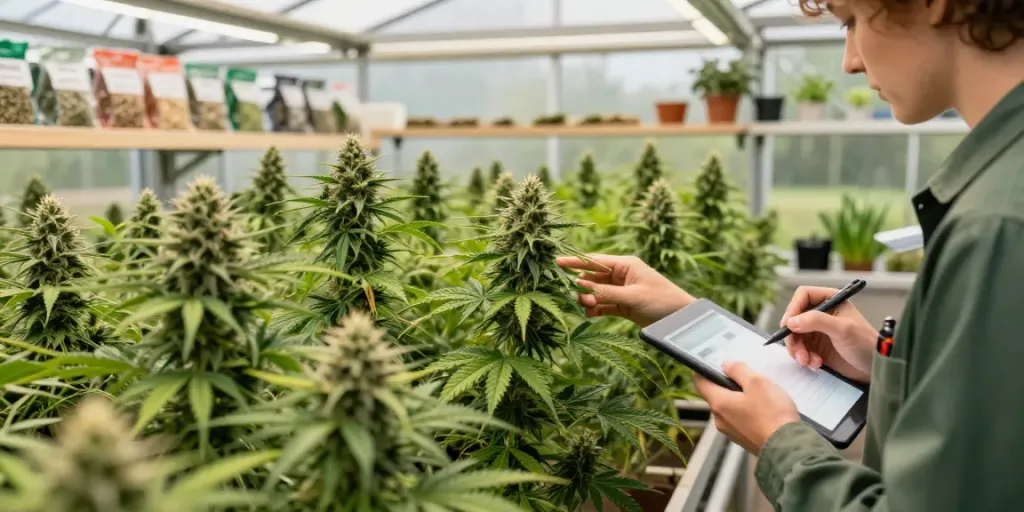
Understanding Triploid Cannabis Seeds
In the world of cannabis cultivation, the evolution of seed genetics has led to the emergence of triploid cannabis seeds, a category that stands out for its unique genetic makeup and growing potential. These seeds, which contain three complete sets of chromosomes, are the result of advanced breeding techniques that aim to revolutionize the cultivation process. By leveraging next-generation genetics, growers can now explore the benefits and nuances that triploid strains bring to both commercial and personal gardening practices.
What Are Triploid Cannabis Seeds?
Triploid cannabis seeds are a specific breeding result that involves plants possessing three complete sets of chromosomes, as opposed to the traditional two sets found in diploid plants. This unique genetic structure allows for a new range of characteristics that can enhance growth, yield, and resilience against certain environmental pressures.
Generally, triploid seeds are produced by crossing a tetraploid parent, which has four chromosome sets, with a diploid parent. The resulting offspring may inherit three sets of chromosomes, leading to triploid plants. Understanding this process is crucial for growers seeking to utilize these advanced genetics.
The Science Behind Next-Generation Genetics
The term "next-generation genetics" refers to innovative breeding techniques that enhance plant resilience, yield, and cannabinoid profiles. In the case of triploid cannabis, the three sets of chromosomes can create unique challenges and advantages. For instance, during meiosis, triploid plants often struggle to produce viable seeds due to the odd number of chromosome sets. This characteristic may limit their ability to produce seeds after exposure to pollen, thus potentially providing growers with seedless crops.
Moreover, the triploid structure allows breeders to focus on desirable traits such as potency, terpene profiles, and plant architecture, making it a promising avenue for modern cultivation practices.
How Triploidy Affects Growth and Yield
The triploid condition introduces variations in flowering times and overall growth patterns compared to diploid varieties. Generally, triploid strains tend to exhibit faster flowering times, which can be particularly advantageous for growers looking to maximize their harvest frequency. Additionally, these plants often show increased levels of THC and terpenes, contributing to a richer user experience.
However, the reduced fertility typically associated with triploid cannabis should not be overlooked. While it can limit seed production, the focus on high-quality flower output compensates for the decrease in viable seed quantity. It's essential for growers to understand how these dynamics play into their cultivation strategies.
Benefits of Choosing Triploid Seeds
Enhanced THC and Terpene Profiles
One of the most appealing benefits of triploid cannabis seeds is the potential for enhanced THC and terpene profiles. Research has shown that triploid plants often produce flowers with higher concentrations of these key compounds, providing a richer flavor and more potent effects. This is especially important for both recreational and medicinal cannabis users who seek quality over quantity.
Reduced Seed Production: The Fertility Factor
The fertility aspect of triploid cannabis plants can serve as a double-edged sword. While the reduced ability to produce seeds minimizes the risk of unwanted pollination and seed formation in the flowers, it may also pose challenges for those who want to cultivate seed stock for future planting. Growers must weigh these considerations when choosing to incorporate triploid genetics into their operations.
Faster Flowering Times Explained
Faster flowering times are a significant advantage of triploid cannabis. Because these plants can mature more quickly, growers can achieve multiple harvests within a single growing season. This efficiency is vital for commercial cultivators looking to maximize their output and revenue. Understanding the specific flowering cycle of each triploid variety is crucial for optimizing planting schedules and ensuring peak productivity.
Triploid vs. Traditional Seed Types
A Comparative Analysis: Triploid, Feminised, and Autoflower
When comparing triploid cannabis seeds to traditional types such as feminized and autoflowering varieties, it's important to understand the biological differences and practical applications. Feminized seeds are bred specifically to produce female plants, which yield the desired flowers, while autoflowering seeds automatically switch from the vegetative to the flowering stage based on age rather than light cycles.
Triploid seeds, on the other hand, represent a novel chromosome structure that may offer unique benefits but also brings about specific challenges, particularly regarding fertility. Therefore, the choice of seed type depends largely on the grower's goals—whether maximizing yield, ensuring seedless production, or achieving a rapid turnaround.
Understanding Chromosome Structures: Diploid vs. Triploid
The major distinction between diploid and triploid cannabis lies in their chromosome count. Diploid plants, which feature two chromosome sets, are the most common type cultivated today. In contrast, triploid plants have three sets that create distinct genetic expressions and challenges.
As growers become more educated on these differences, they can select the best types of seeds for their specific cultivation needs, balancing factors such as resilience, yield, and flowering time.
Practical Applications for Growers
Utilizing triploid cannabis seeds involves understanding their unique requirements and benefits. Growers should adopt practices that accommodate these plants, including tailored nutrient regimens, pest management strategies, and careful environmental controls to optimize yield and quality.
As the market for cannabis continues to evolve, the ability to utilize advanced genetics will be a game-changer for growers aiming to stay competitive and meet consumer demand.
Best Practices for Cultivating Triploid Cannabis
Optimal Growing Conditions for Triploid Plants
Identifying and maintaining optimal growing conditions is critical for the successful cultivation of triploid cannabis. These plants thrive in environments that provide adequate light, temperature, and humidity. Ideal growing conditions are typically characterized by:
- Consistent temperature ranges between 70°F and 85°F (21°C - 29°C).
- High humidity levels during the vegetative stage, decreasing as plants mature.
- Full-spectrum lighting that mimics natural sunlight to support healthy growth.
Feeding and Nutrient Considerations
Providing the right nutrients is essential for triploid cannabis plants to thrive. Nutrient needs may vary based on the plant's growth stage, but generally, a balanced fertilizer with a good mix of nitrogen, phosphorus, and potassium (N-P-K) is recommended during vegetative growth. As the plants transition to flowering, growers should increase phosphorus and potassium levels to promote robust bud development.
Pest Management and Pollen Resistance Strategies
Effective pest management is crucial in maintaining the health of triploid cannabis plants. Due to their reduced fertility, these plants may be less susceptible to some pests, but proactive measures are still necessary. Utilizing organic pest control methods, beneficial insects, and regular inspections can help mitigate any potential threats. Furthermore, strategies to prevent unintended pollen exposure are essential, especially for those aiming for seedless flower production.
Future Trends in Cannabis Genetics
Emerging Technologies in Cannabis Breeding
The cannabis industry is rapidly evolving, and with it comes the advancement of breeding technologies. Innovations such as CRISPR gene editing and marker-assisted selection are paving the way for the development of strains with precise genetic traits that cater directly to consumer demands and environmental challenges.
Consumer Demand for Quality Cannabis Products
As consumer preferences shift toward high-quality, potent products, growers must adapt. The focus on triploid cannabis seeds reflects a growing trend in the industry where quality, rather than quantity, drives cultivation choices. Growers that embrace these emerging genetics will be well-positioned to meet the demands of discerning consumers.
Preparing for 2026: What Growers Should Expect
As we look toward 2026, anticipating changes in the cannabis landscape is imperative for growers. Trends in legalization, technology, and consumer preferences will shape the future of cultivation practices. Those who stay informed and adapt to these changes will have a distinct advantage in the competitive market. Understanding the nuances of triploid cannabis and its potential will be crucial in navigating the future of cannabis cultivation effectively.
What are triploid cannabis seeds?
Triploid cannabis seeds are genetically unique seeds characterized by three sets of chromosomes, providing distinct advantages and challenges for growers.
How do triploid genes influence cannabis growth?
Triploid genes can enhance growth rates, flower quality, and potency, while also introducing fertility limitations that affect seed production.
Are triploid cannabis seeds suitable for all growers?
While triploid cannabis seeds offer numerous benefits, their specific growth requirements may not suit every grower’s conditions or objectives.
What are the legal considerations for cannabis cultivation?
Growers must adhere to local laws regarding the purchase, germination, and cultivation of cannabis seeds to avoid legal complications.
Can triploid plants produce viable seeds?
Generally, triploid plants have reduced fertility and are less likely to produce viable seeds after being exposed to pollen, though this can vary based on specific conditions.