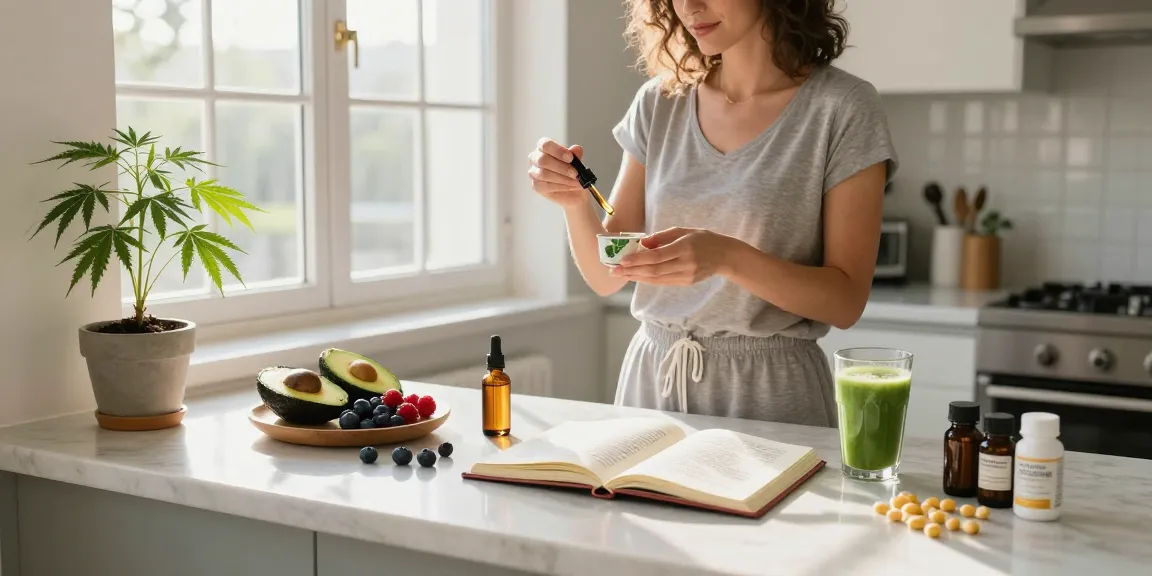
The Health Benefits of THC Edibles
As the wellness industry continues to evolve, THC edibles have emerged as a popular option for individuals seeking both recreational enjoyment and potential therapeutic benefits. Edibles, particularly when sourced from high-quality ingredients, offer an alternative method to experience the effects of THC, distinguishing them from inhalation-based products like vaping. The consumption of THC in edible form allows for a longer-lasting and more body-centered experience, contributing not just to enjoyment but also to improvements in various aspects of psychological and physical well-being. When exploring options, thc edibles provide comprehensive insights into both usage and benefits, enhancing the user's understanding and experience.
What are the Therapeutic Benefits of THC?
Research indicates that THC, or tetrahydrocannabinol, may possess several therapeutic properties that can aid individuals dealing with various health issues. Primarily, THC is known for its analgesic (pain-relieving) properties, making it beneficial for those suffering from chronic pain or undergoing conditions that create distressing discomfort. Studies have suggested that it may address symptoms of ailments such as arthritis, multiple sclerosis, and even migraines.
Moreover, THC shows promise in helping manage anxiety and stress levels. While the experience can differ significantly among individuals, many report feeling a decrease in anxiety symptoms following the consumption of THC-infused products. Additionally, THC may improve sleep quality by aiding in the regulation of sleep patterns, which could be particularly useful for those facing insomnia or restless nights.
How THC Edibles Enhance Your Wellbeing
The incorporation of THC edibles into wellness routines can lead to a multi-faceted enhancement of well-being. Beyond chronic pain relief and reduction in anxiety, users often report improved mood and increased relaxation, making edibles an appealing option for personal wellness. As the effects of THC edibles can be long-lasting—ranging from 4 to 8 hours, depending on the dosage—this duration can offer extended relief from symptoms for many users.
Furthermore, the slow onset of effects—typically experienced between 45 and 90 minutes after consumption—encourages mindfulness in usage. Such delays in onsets allow users to better gauge and appreciate the sensations as they unfold, fostering a more conscious approach to their consumption experience.
Comparing THC Edibles to Other Cannabis Products
When it comes to cannabis consumption, users have a variety of options to consider, from vapes and oils to edibles. While smoking or vaping provides immediate effects due to rapid absorption into the bloodstream, edibles require more patience. This metabolism through the digestive system leads to a unique chemical conversion where THC is transformed into 11-hydroxy-THC, which can deliver intensifying effects. Thus, the choice between edibles and other forms is often dictated by individual preferences for onset time, duration of effects, and overall experience.
Types of THC Edibles Available
Different Forms: Gummies, Chocolates, and More
THC edibles come in a variety of appealing forms, with gummies being the most popular choice for many consumers due to their sweet taste and convenient dosing. Beyond gummies, there are THC-infused chocolates, baked goods, and even beverages that offer diverse options for consumers to explore different palates and effects. The form can significantly impact both the method of consumption and the experience, making it essential for users to understand these distinctions as they make their selections.
How to Choose Quality THC Edibles
Selecting high-quality THC edibles requires careful consideration. Consumers should look for brands that provide detailed ingredient lists, ensuring there are no harmful additives or low-quality fillers. Branding transparency regarding sourcing and manufacturing practices, paired with independent third-party testing, is pivotal for verifying potency and safety. Trusted brands will often have certificates of analysis (COAs) readily available, confirming their products' lab-verified contents.
The Role of Ingredients in Edible Products
The health benefits of THC edibles can greatly depend on their ingredient composition. Natural flavors, organic sugars, and no artificial colors can elevate the overall quality of the product. Moreover, the presence of additional ingredients, such as vitamins or herbal extracts, may contribute synergistically to the health benefits of the final product, thus enhancing users’ overall experiences and potential therapeutic outcomes.
Proper Dosage and Usage Guidelines for THC Edibles
Understanding Dosage: Starting Low and Going Slow
The mantra “start low and go slow” is critical when it comes to THC edibles. New users, or those unfamiliar with their personal tolerance, should begin their journey with doses of no more than 5–10 mg of THC. By doing so, they can gauge their reactions to THC without overwhelming themselves, making for a safer and more enjoyable experience. Each individual’s reaction can differ based on various factors, such as body weight, metabolic rate, and previous tolerance.
How to Calculate Your Ideal THC Intake
To find the perfect dosage of THC, individuals should pay attention to their own body weight and tolerance levels. As a general rule of thumb, some experts suggest that a dosage of 1-2 mg of THC per 10 pounds of body weight may be appropriate for newcomers. With this groundwork laid out, hidden body chemistries can help achieve a more personalized, optimized approach to dosing. It is essential to note that the effects of edibles last longer than inhaled methods, which necessitates the importance of patience and self-awareness.
Timing Your THC Edible Consumption
One significant factor affecting the consumption of THC edibles is timing. As mentioned earlier, the onset of effects can occur anywhere between 45–90 minutes after ingestion. This allows for a longer-lasting effect compared to other forms of THC consumption. Therefore, ensure that consumption timing aligns with desired effects, be it for recreational use or medicinal relief. It is advisable for users to refrain from consuming additional servings until at least two hours have passed to avoid the risk of overconsumption.
Quality and Safety Standards for THC Edibles
Importance of Third-Party Testing
Quality assurance in the production of THC edibles cannot be understated. Third-party testing serves as an essential component to ensure products meet safety and potency standards. Reliable testing can identify important chemical profiles, confirming the actual THC content and possible presence of harmful substances, such as pesticides and heavy metals, thus presenting users with a safer experience of consumption.
How to Read Lab Results for Edibles
Consumers should familiarize themselves with understanding lab reports when evaluating THC edibles. Certificates of Analysis (COAs) are crucial documents that provide information on the cannabinoid and terpene profiles, as well as any tests for contaminants. Knowing how to interpret these reports helps ensure consumers make informed decisions, contributing to better awareness and optimal user experiences.
Identifying Reliable THC Edible Brands
Finding reputable brands in the THC edibles market involves diligent research. Look for companies that prioritize transparency, displaying clear information about their products’ sources, testing methods, and production practices. Engaging with customer reviews and industry mentions can also help evaluate a brand's reliability and quality, ensuring consumers have the best possible experience.
Legal Considerations and the Future of THC Edibles in 2026
Current Legal Status of THC Edibles
The legal framework surrounding THC edibles is complex, varying widely from state to state. While the 2018 Farm Bill legalized hemp-derived products containing less than 0.3% THC federally, many states have enacted their own rules governing the sale and distribution of edibles. Consumers must remain informed about their local laws and regulations, as these can influence accessibility and legality of purchased products.
What to Expect from 2026 Regulations
As we look toward the future, industry advocates anticipate ongoing developments in THC regulations. There may be shifts toward more standardized labeling practices, increased consumer protections, and improved safety evaluations. By 2026, the market could mature considerably, focusing on transparency and quality assurance while addressing consumer concerns.
Safeguards and Consumer Rights in the THC Market
With the growth of the THC market, consumer rights and protections take precedence. Legislative actions may provide consumers with more rights when it comes to product safety, labeling accuracy, and product recalls. These mechanisms aim to empower consumers, ensuring they access safe and effective products, thus strengthening trust within the market.
What is the shelf life and storage of THC edibles?
Proper storage of THC edibles is key to maintaining their potency and effectiveness. Most edibles can retain their quality for several months when stored in a cool, dry place, away from direct sunlight. It is advisable to keep edibles sealed in their original packaging or stored in airtight containers to avoid exposure to environmental elements which may degrade them over time.
Are there any risks or interactions with THC edibles?
While THC edibles are enjoyed by many, potential risks and interactions deserve consideration. Users may experience side effects such as increased drowsiness, dry mouth, or digestive changes. Additionally, individuals taking medications like blood thinners or certain seizure medications should consult healthcare professionals prior to usage, as THC may interact with these substances. Pregnant and breastfeeding individuals are similarly advised to avoid THC consumption due to limited research on safety.
Can you combine THC edibles with other supplements or medications?
Considering the popularity of combining supplements and therapeutic products, many find themselves asking if THC edibles can be safely integrated with other substances. Caution is urged; carefully evaluating each combination's effects is essential to prevent potential negative interactions. Discussing with a healthcare provider can yield personalized advice, thereby fostering a more informed approach to combination therapy.