
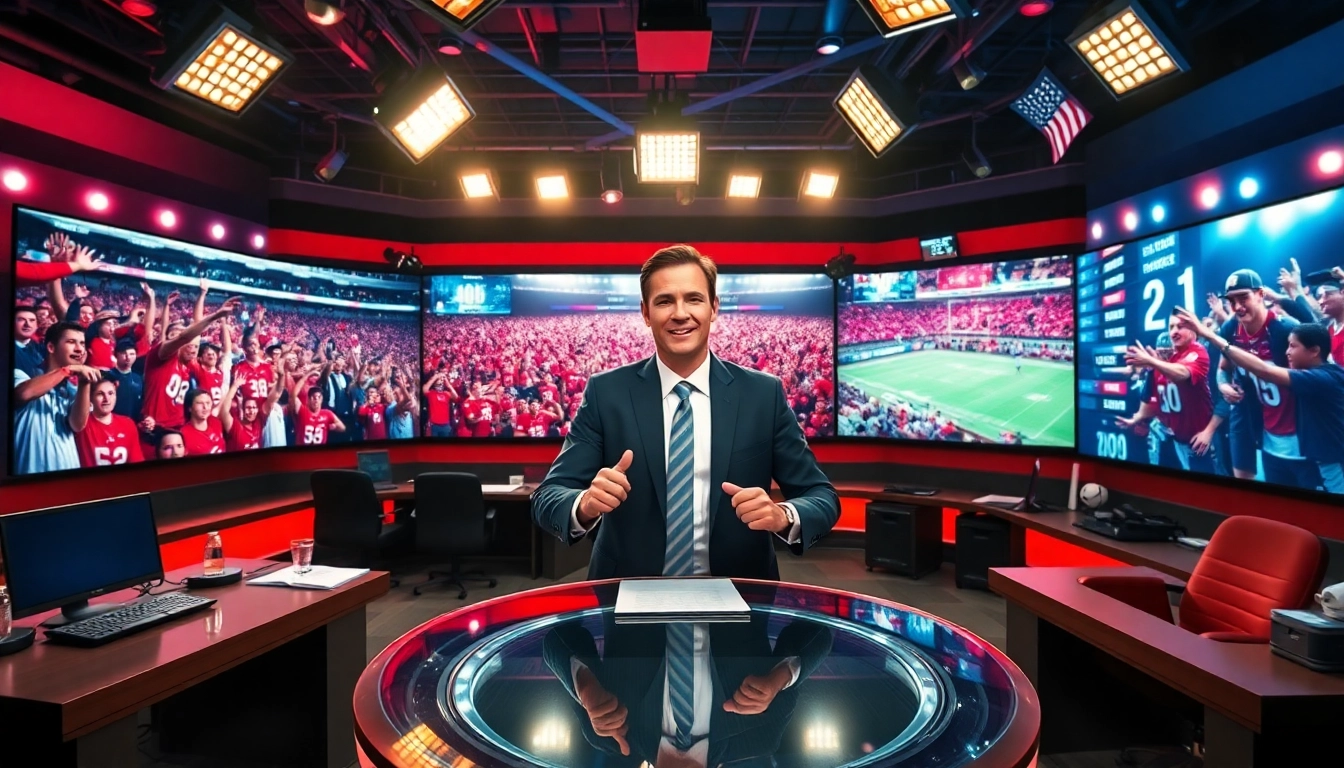
Introduction to Sports Broadcasting
What is Sports Broadcasting?
Sports Broadcasting refers to the dissemination of live and recorded sports events through various media platforms, including television, radio, and online streaming services. It serves as a bridge that connects sports enthusiasts with their favorite games, bringing the thrill of competition into people's homes. The field has grown significantly with advancements in technology and has transformed the way audiences consume sports content, providing diverse coverage and instant access to information. The landscape of Sports Broadcasting has been reshaped dramatically in recent years by innovations in digital streaming and audience engagement strategies.
The Evolution of Sports Broadcasting
Sports Broadcasting has a rich history that dates back to the early 20th century when radio stations first began broadcasting live sports events. The invention of television revolutionized the industry in the 1950s, allowing fans to watch events live from their homes. As technology continued to develop, the introduction of cable and satellite TV expanded the range of sports coverage available. The advent of the internet and online streaming has further modified the broadcasting landscape. Viewers now have unprecedented access to a myriad of sports content, from live games to behind-the-scenes insights and highlights through various online platforms.
Key Players in Sports Broadcasting
The sports broadcasting ecosystem comprises various key players, each contributing to the overall picture. Major television networks like ABC, NBC, and CBS traditionally dominated the landscape, but cable networks such as ESPN and Fox Sports have emerged as significant players. In recent years, digital platforms like Amazon Prime Video and YouTube have started to carve out a niche, especially for niche sports and events. Within this ecosystem, sports leagues (e.g., NFL, NBA, FIFA) play a critical role, negotiating broadcasting rights contracts that can be worth billions. Individual broadcasters, producers, and commentators also have their place, shaping the narratives around sports events.
Essential Skills for Sports Broadcasters
Communication Techniques
The ability to communicate clearly and engagingly is paramount for sports broadcasters. This encompasses verbal skills for on-air commentary and non-verbal skills to connect with audiences visually. An understanding of pacing, tone, and the rhythm of speech can enhance storytelling. Moreover, broadcasters must adapt their delivery to suit the medium—what works for radio will differ from television, where visual elements are critical. Using a conversational tone can make coverage more relatable to viewers and encourage foster deeper connections.
Interview and Reporting Skills
Conducting interviews is a vital skill for sports broadcasters. This involves preparing pertinent questions that elicit insightful responses from athletes, coaches, and other stakeholders. Reporters must also have a keen sense for detail, capturing not only the facts of a story but also its emotional undertones that resonate with audiences. The balance between being informative and engaging while maintaining journalistic integrity is crucial.
Understanding Sports Analytics
The integration of data analytics into sports has opened up a new realm for broadcasters. Familiarity with statistics, player performance metrics, as well as an understanding of game strategies and dynamics, equips broadcasters to provide deeper insights during commentary. A strong grasp of analytics can also enhance storytelling, enabling broadcasters to explain the significance of certain plays or strategies in ways that engage fans on multiple levels.
Technology and Tools in Sports Broadcasting
Broadcasting Equipment
A wide range of equipment is essential for effective sports broadcasting. Cameras equipped with high-definition capabilities, audio devices, and production tools form the backbone of a broadcast. Additionally, mobile units for on-site reporting and drones for aerial views of events are becoming increasingly common. The quality of equipment can directly impact the presentation quality, making investment in the right tools crucial for any broadcasting entity.
Software for Live Production
Various software platforms aid in the live production of sports broadcasts. These tools assist with everything from switching camera angles to integrating graphics and replay systems. Some of the industry-standard software includes Grass Valley, Avid, and CLEAR-COM for live production management. Familiarity with these tools allows broadcasters to create a seamless viewing experience that keeps audiences engaged.
Emerging Technologies in Broadcasting
The future of sports broadcasting is being shaped by emerging technologies such as virtual reality (VR), augmented reality (AR), and artificial intelligence (AI). VR allows viewers to experience events from unique angles, while AR can superimpose stats and graphics over live action. AI can analyze vast amounts of data quickly to provide insights during broadcasts, predict outcomes, and enhance viewer interactivity. Adopting these technologies will be crucial for staying competitive in a rapidly evolving market.
Challenges in Sports Broadcasting
Managing Live Broadcast Pressure
Sports broadcasts are inherently unpredictable, requiring broadcasters to operate under intense pressure. Managing this pressure involves preparation, staying calm during unexpected events, and maintaining flexibility in reporting. Developing a supportive team environment can help mitigate stress, empowering broadcasters to perform at their best even in challenging circumstances.
Dealing with Technical Issues
Technical difficulties can jeopardize a broadcast, leading to disappointing viewer experiences. Broadcasters must have contingency plans for potential issues, including backup equipment and alternative communication strategies. Regular training and simulations can prepare teams to troubleshoot problems quickly, ensuring that they minimize disruptions during live events.
Ethical Considerations in Sports Reporting
Ethics play a crucial role in sports reporting, including maintaining integrity, accuracy, and fairness. Broadcasters must avoid sensationalism, ensure impartial reporting, and be wary of conflicts of interest that may affect coverage. Upholding ethical standards fosters trust and credibility, which are essential for long-term audience engagement.
Future Trends in Sports Broadcasting
Interactive Viewing Experiences
As audiences seek more engagement, interactive viewing experiences will become a norm in sports broadcasting. Viewers will increasingly want the ability to choose camera angles, access real-time stats, and participate in live polls or discussions. Broadcasters who embrace interactivity can enhance engagement, making the viewing experience more personalized and satisfying.
The Role of Social Media
Social media has transformed how sports content is shared and consumed. Platforms like Twitter, Instagram, and TikTok allow broadcasters to reach audiences instantly and share highlights, fostering a community around events. Engaging with audiences through social media helps to build loyalty and create a multi-faceted approach to broadcasting that leverages various channels of communication.
Sustainability in Broadcasting Operations
As awareness of environmental issues grows, sustainability is becoming a focal point in sports broadcasting. Implementing eco-friendly practices, such as optimizing energy use and reducing waste during broadcasts, can not only lower operational costs but also resonate with increasingly eco-conscious audiences. This conscious effort can enhance brand reputation and foster a positive image in the public eye.
FAQs:
What qualifications do I need for a career in sports broadcasting?
A degree in journalism, communications, or a related field is typically needed, along with experience in sports reporting.
How has technology changed sports broadcasting?
Technology has enhanced viewer engagement through high-definition broadcasts, interactive content, and instant replays.
What are common challenges faced by sports broadcasters?
Challenges include managing stressful live situations, ensuring accurate reporting, and keeping up with technology changes.
What role does social media play in sports broadcasting?
Social media helps broadcasters connect with audiences instantly and share highlights, engaging fans beyond traditional methods.
Are freelance opportunities available in sports broadcasting?
Yes, many sports broadcasters freelance for various platforms, creating diverse content based on different sports events.