
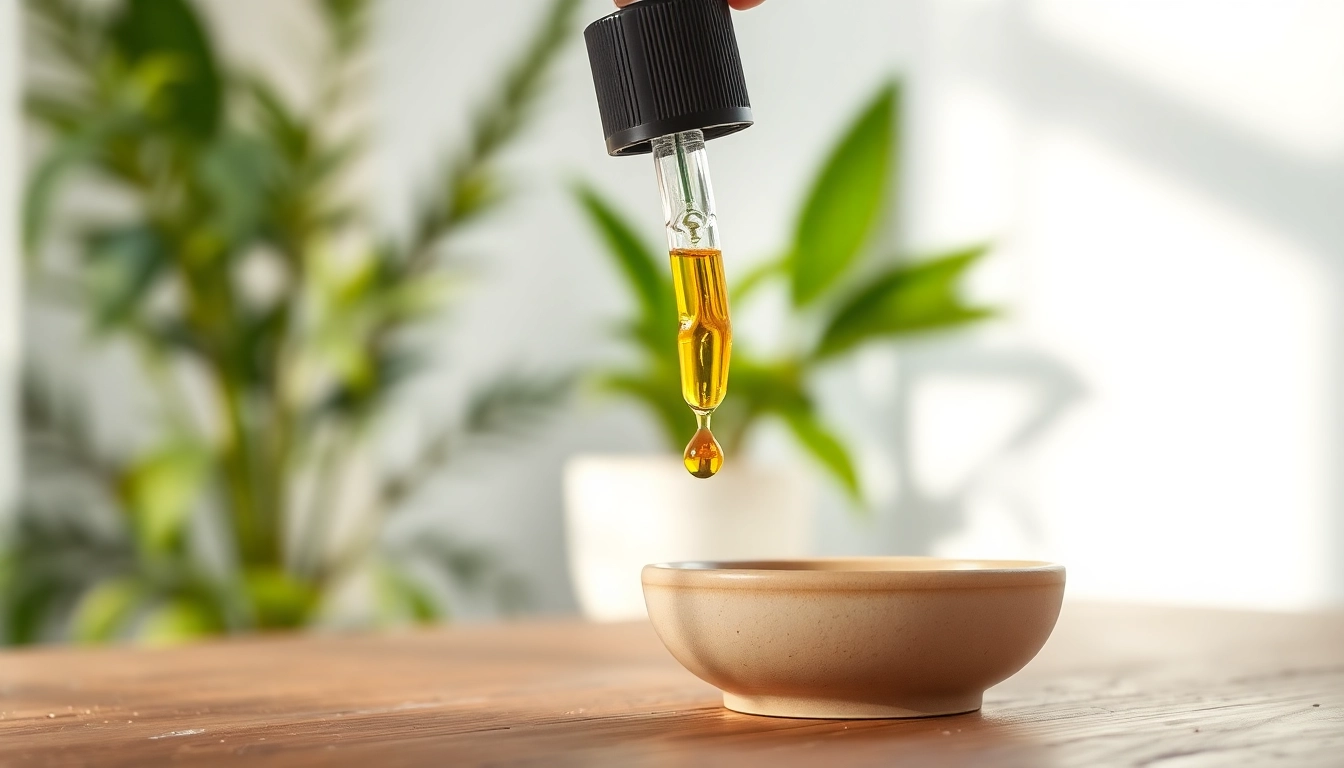
Understanding CBD Oil: What It Is and How It Works
Cannabidiol, commonly known as CBD, has garnered significant attention in recent years for its potential therapeutic properties. Particularly in the form of CBD Oil, this natural compound, derived from the hemp plant, offers a wide range of applications both for health and wellness. In this article, we will explore the origins, science, and interactions of CBD Oil within the human body.
The Origins of CBD Oil
To fully appreciate the benefits of CBD Oil, it’s essential to understand its origins. CBD is one of over a hundred cannabinoids found in the Cannabis sativa plant, specifically in the hemp varieties. Unlike its counterpart, THC (tetrahydrocannabinol), CBD does not cause psychoactive effects. Hemp has been cultivated for thousands of years for its fibers, seeds, and oil. The extraction process for CBD Oil typically involves the use of CO2, ethanol, or oil extracts that concentrate the beneficial compounds while minimizing the presence of THC.
The Science Behind CBD Oil
CBD Oil's effectiveness comes from its interaction with the endocannabinoid system (ECS), which plays a crucial role in regulating various physiological processes, including pain perception, mood, and immune response. This system consists of endocannabinoids, receptors (CB1 and CB2), and enzymes. CBD primarily interacts with these receptors, particularly CB2, which is involved in regulating inflammatory and immune responses. Research suggests that CBD mitigates some pathways involved in pain perception and inflammation, providing potential relief for various ailments.
How CBD Oil Interacts with the Body
When CBD Oil enters the body, it communicates with the ECS to help maintain homeostasis—balance among physiological functions. Studies have shown that CBD can enhance the production of natural endocannabinoids, providing a natural way to manage discomfort, anxiety, and other conditions. Beyond the ECS, CBD Oil may also influence the serotonin receptors in the brain, playing a role in mood regulation. This multifaceted interaction is what makes CBD Oil an appealing choice for those seeking alternative remedies for various health issues.
Major Health Benefits of CBD Oil
As research into CBD Oil continues to unfold, several major health benefits have been identified, backed by both empirical evidence and anecdotal reports. Let’s delve into some of the most prominent health benefits associated with the use of CBD Oil.
Pain Relief and Inflammation Reduction with CBD Oil
Pain management is one of the most commonly cited benefits of CBD Oil. Chronic pain conditions, such as arthritis or back pain, have shown to be alleviated through regular use of CBD. Clinical studies indicate that CBD interacts with the receptors involved in pain and inflammation pathways, potentially reducing the sensation of pain. A 2020 study demonstrated that participants experienced decreased pain after using CBD Oil, with many reporting fewer side effects compared to traditional analgesics.
The Role of CBD Oil in Reducing Anxiety
Anxiety is another area where CBD Oil has gained attention. Research has increasingly suggested that CBD has anxiolytic properties, meaning it can help reduce anxiety levels. A systematic review of studies indicated that CBD can significantly decrease anxiety, particularly in situations such as public speaking, where anxiety levels tend to spike. This ability to promote a sense of calm while maintaining clarity can be particularly beneficial in today’s fast-paced society.
Improvement of Sleep Quality through CBD Oil
Sleep disturbances are a common issue among adults, often stemming from anxiety, stress, and physical discomfort. CBD Oil may aid in improving sleep quality by addressing the underlying factors that disrupt restful sleep. According to a 2019 study, CBD improved sleep disturbances in individuals suffering from anxiety and chronic pain. Participants reported enhanced sleep duration and quality, indicating that CBD Oil can serve as a natural alternative to sleep medications.
Common Uses of CBD Oil in Daily Life
With its myriad benefits, CBD Oil is easily incorporated into various aspects of daily life. Below are some common applications that highlight the versatility of this compound.
Incorporating CBD Oil into Your Wellness Routine
Many individuals are now adding CBD Oil as a daily supplement to their wellness routine. It can be taken sublingually, mixed with food or drinks, or even applied topically for localized relief. Depending on individual preferences and needs, CBD Oil can be adjusted in terms of dosage and frequency to optimize its benefits. Regular use may help in managing stress levels, promoting a balanced mood, and enhancing overall wellness.
CBD Oil for Skincare: Benefits and Tips
Interestingly, CBD Oil is making its way into the skincare industry due to its anti-inflammatory and antioxidant properties. Skincare products infused with CBD may help reduce redness, acne, and skin irritations. Users report that applying CBD Oil topically can soothe conditions like eczema and psoriasis. When selecting a skincare product containing CBD, it’s advisable to look for those that use natural ingredients and are free from harmful additives to maximize skin health.
Pets and CBD Oil: Is It Safe and Effective?
Pet owners are increasingly exploring the benefits of CBD Oil for their furry companions. Preliminary research suggests that CBD Oil may aid in managing anxiety, pain, and inflammation in pets. While it’s crucial to consult a veterinarian before introducing CBD Oil to a pet's regimen, many anecdotal reports highlight its positive effects on pets suffering from anxiety, joint pain, and other ailments. Always choose CBD products specifically formulated for pets to ensure safety and effectiveness.
Choosing the Right CBD Oil for Your Needs
Selecting the right CBD Oil can be a daunting task given the diverse options available on the market. Here are some key factors to consider when choosing a CBD Oil that best aligns with your needs.
Factors to Consider When Selecting CBD Oil
Before purchasing CBD Oil, it is vital to consider several factors. Firstly, the source of the hemp is critical. Look for products made from organically grown hemp to ensure purity and quality. Secondly, check for third-party lab testing. Reputable brands will provide analysis certificates to confirm that their CBD Oil contains the stated amount of cannabinoids while being free from harmful substances like pesticides or heavy metals. Lastly, consider your health needs and preferences, including the desired potency and form of CBD Oil (full-spectrum, broad-spectrum, or isolate).
Different Types of CBD Oil Available
Understanding the different types of CBD Oil is essential for making informed choices. Full-spectrum CBD includes all cannabinoids, terpenes, and oils found in the cannabis plant, while broad-spectrum CBD contains most cannabinoids except THC. Isolate is the purest form, containing only CBD. Each type has unique properties, and your choice may vary based on personal preferences and therapeutic requirements.
Understanding CBD Oil Dosage and Usage
Finding the right dosage of CBD Oil can be crucial for achieving optimal results. Factors such as body weight, sensitivity to CBD, and the specific condition being addressed play important roles in determining the effective dose. Beginners are usually advised to start with a low dose and gradually increase it until the desired effect is achieved. Always consult with a healthcare professional before making adjustments to ensure safe use.
Safety, Side Effects, and Legal Considerations of CBD Oil
While CBD Oil is generally considered safe, being aware of the potential side effects and legal implications is important. Let’s explore these aspects further.
Potential Side Effects of CBD Oil
Though most individuals tolerate CBD well, some may experience side effects, including fatigue, changes in appetite, or gastrointestinal upset. As with any supplement, individual reactions may vary. It is advisable to monitor your body's response when starting CBD Oil and to consult with a healthcare provider if adverse effects occur.
Legal Status of CBD Oil in the United States
The legal status of CBD Oil can vary significantly based on federal, state, and local laws. As of now, federally legal products must contain less than 0.3% THC. States may have their own regulations regarding the purchase and use of CBD Oil. Awareness of local laws will ensure compliance and avoid legal complications.
Monitoring Quality and Sourcing of CBD Oil
Ensuring the quality of CBD Oil is paramount for health and safety. Purchasing from reputable vendors who prioritize transparency is crucial. Look for products with clear sourcing information and third-party test results. This information helps ensure you are consuming a safe, high-quality product that delivers on its promises.