Understanding CBD: A Comprehensive Overview
Cannabidiol, commonly known as CBD, is one of the many compounds found in the cannabis plant. Unlike its cousin tetrahydrocannabinol (THC), CBD is non-psychoactive and is often praised for its potential therapeutic benefits without the “high.” This article seeks to explore the nature of CBD, its health benefits, misconceptions, applications, safety considerations, and its future in wellness and health.
What is CBD and How is it Derived?
CBD is a phytocannabinoid derived from the hemp plant, specifically from its flowers, leaves, and stalks. The extraction process typically involves using solvents, oils, or carbon dioxide, leading to CBD oil in various forms. The legal status of CBD varies across regions, but in many places, it is derived from hemp containing less than 0.3% THC, thus keeping it within legal limits.
Benefits of CBD for Health and Wellness
Research continues to unveil the potential benefits of CBD, which include:
- Anxiety Reduction: Several studies suggest that CBD may help alleviate anxiety by influencing serotonin levels in the brain.
- Pain Relief: CBD shows promise in managing chronic pain conditions by interacting with endocannabinoid receptors.
- Antisepileptic Effects: CBD has gained FDA approval for certain seizure disorders, demonstrating its efficacy in reducing seizure frequency.
- Neurological Protection: Emerging studies indicate CBD’s potential in protecting the nervous system, possibly benefiting conditions like multiple sclerosis.
- Improvement in Sleep Quality: Many users report that CBD improves their sleep patterns, reducing insomnia and enhancing overall sleep quality.
Common Misconceptions About CBD
Despite its growing popularity, several misconceptions about CBD persist:
- Myth: CBD is Psychoactive: Unlike THC, CBD does not induce a “high.” It is crucial for consumers to distinguish between these cannabinoids.
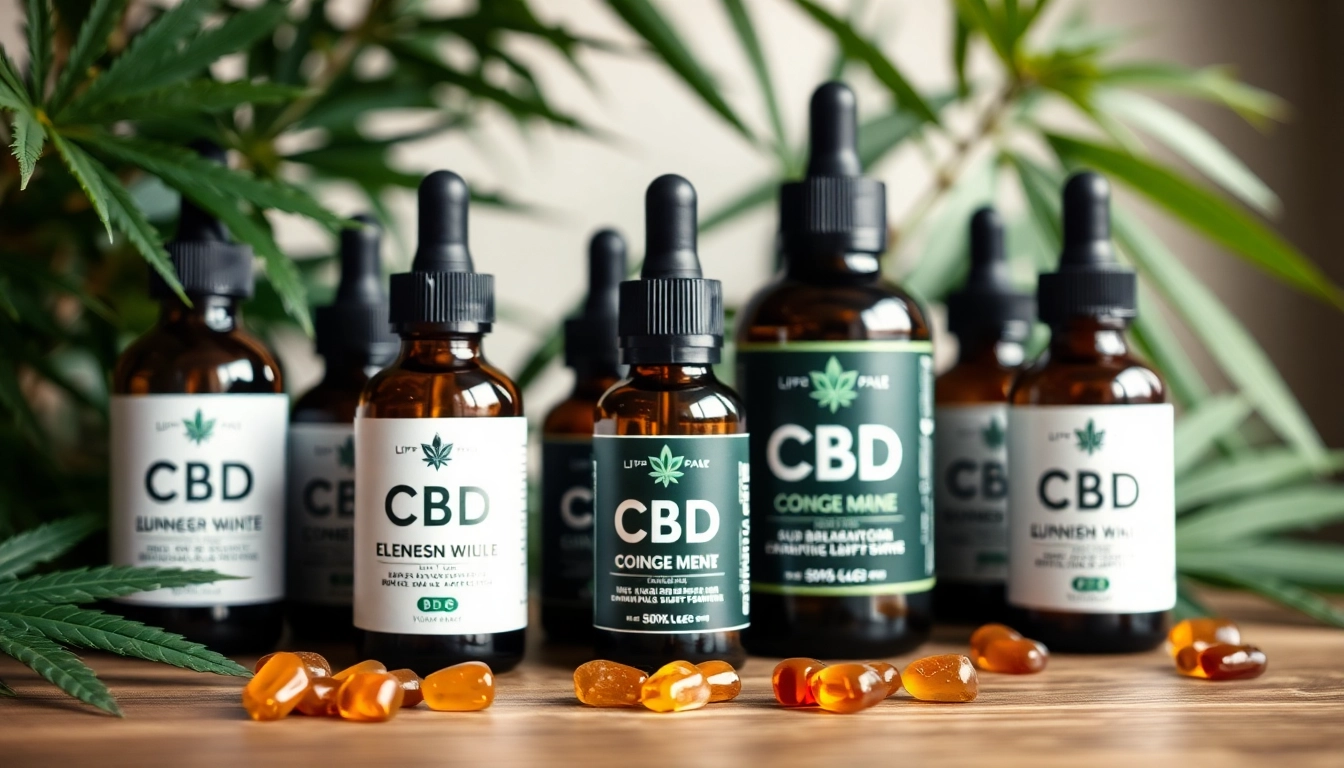
- Myth: All CBD Products Are the Same: There are various forms of CBD, including full-spectrum, broad-spectrum, and isolates, each varying in composition and effects.
- Myth: CBD is a Cure-All: While CBD has numerous potential benefits, it is not a panacea and should not replace prescribed medications without professional guidance.
The Applications of CBD: From Health Supplements to Skincare
Using CBD for Anxiety and Stress Relief
Many individuals turn to CBD as a natural alternative for managing anxiety and stress. Through its interaction with the endocannabinoid system, CBD may help regulate stress responses and improve mood. Suggested methods for use include:
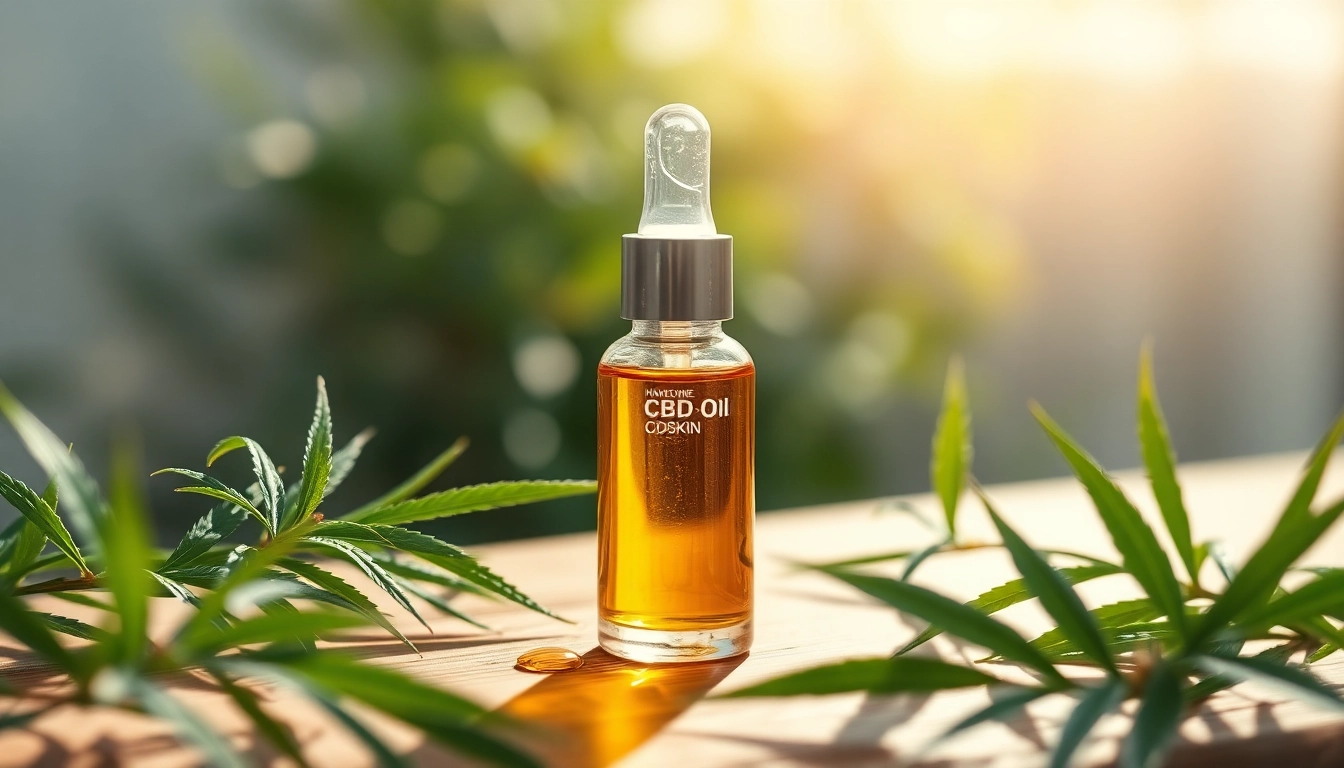
- Tinctures: CBD oil tinctures can be taken sublingually for quick absorption.
- Edibles: Gummies infused with CBD offer a tasty method for consumption.
- Capsules: These provide consistent dosing for those who prefer a pill form.
Integrating CBD into Your Daily Routine
Incorporating CBD into daily life can provide holistic benefits. Options include adding CBD oil to morning smoothies, using capsules as part of a supplement regimen, or even incorporating CBD-infused beverages. Tracking how you feel can help determine the most effective method and dosage for you.
Topical Uses of CBD in Skincare
CBD is increasingly integrated into skincare products due to its anti-inflammatory properties. Topical applications can help with:
- Acne Reduction: CBD’s anti-inflammatory effects may drastically reduce acne and skin oil production.
- Skin Conditions: Creams and balms can be used to relieve symptoms related to psoriasis and eczema.
- Aging Effects: Antioxidant properties might slow the appearance of aging skin, promoting a youthful glow.
Safety and Risks of CBD Consumption
Understanding Side Effects and Interactions
While generally considered safe, consuming CBD may lead to side effects in some individuals, including:
- Dry mouth
- Fatigue
- Drowsiness or lethargy
- Potential interactions with medications, particularly those metabolized by the liver
It is crucial for users to start with a lower dose to assess their tolerance before increasing consumption.
Consulting Healthcare Professionals About CBD Use
Before incorporating CBD into your health routine, it’s advisable to consult with healthcare professionals, particularly if you have pre-existing conditions or are on medication. This ensures you receive personalized guidance that takes into account your health profile and potential interaction risks.
Regulatory Considerations Surrounding CBD
The regulatory landscape for CBD products is continuously evolving. In the U.S., while hemp-derived CBD is federally legal, states have the power to impose their own regulations. Understanding local laws, safety standards, and product labeling is essential for consumers to make informed decisions.
Choosing High-Quality CBD Products: A Buyer’s Guide
Identifying Authentic CBD Products
As the market becomes saturated, ensuring product authenticity is critical. Consumers should look for:
- Certification from third-party lab testing to confirm CBD content and purity.
- Transparency from brands regarding sourcing and production methods.
- Clear labeling that specifies product ingredients and concentration.
Lab Testing and Transparency in CBD Sourcing
Reputable CBD brands will provide access to lab results that detail cannabinoid profiles and residual solvent tests. These certificates should be readily available on the brand’s website or upon request. Understanding these tests can assist consumers in making informed choices regarding product potency and safety.
Comparing Different Types of CBD: Oils, Edibles, and Topicals
Different forms of CBD can offer varied benefits. For example:
- Oils and Tinctures: Provide quick relief and are versatile in usage.
- Edibles: Deliver a longer-lasting effect but may take longer to act.
- Topicals: Target localized pain and discomfort, suitable for skin concerns.
The Future of CBD in Health and Wellness
Emerging Research and Innovations in CBD
As research into CBD continues to expand, novel applications and formulations are emerging. Innovations include enhanced delivery methods, such as nanoparticle technology to improve absorption and bioavailability. Ongoing studies examining CBD’s role in treating various conditions showcase the compound’s potential.
The Role of CBD in Alternative Medicine
With a growing interest in alternative medicine, CBD is seen as a bridging compound that integrates traditional practices with modern scientific understanding. It is increasingly included in holistic therapies, often complementing approaches like acupuncture, yoga, and nutritional counseling.
Trends Shaping the CBD Market
Key trends influencing the CBD market include increased consumer awareness, sustainability in sourcing, and diverse product formulations catering to specific demographics. As legislative measures adapt, the landscape for CBD products is poised for significant growth, allowing for innovation and new market opportunities.