
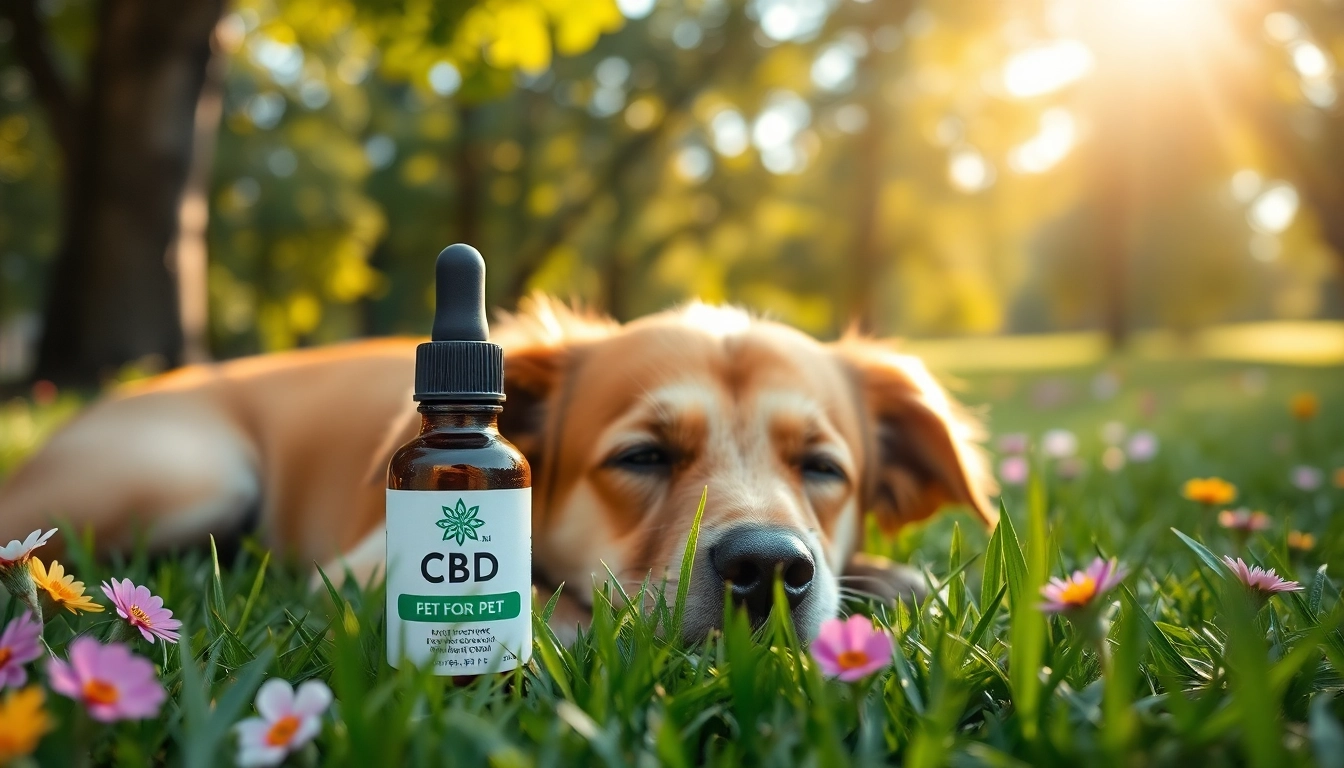
Understanding CBD For Pet: What It Is and How It Works
Defining CBD and Its Source
Cannabidiol, widely known as CBD, is one of the more than a hundred active compounds found in the cannabis plant. Unlike THC (tetrahydrocannabinol), another well-known compound, CBD is non-psychoactive, meaning it does not produce the “high” traditionally associated with cannabis. Instead, CBD interacts with the endocannabinoid system (ECS) of both humans and animals, a complex network involved in regulating various bodily functions including mood, memory, pain, inflammation, and immune response. The ECS comprises cannabinoid receptors, endogenous cannabinoids, and metabolic enzymes. The potential benefits of CBD For Pet products hinge upon this intricate system.
How CBD Affects Pets
The mechanism through which CBD affects pets is largely similar to how it affects humans. It interacts with the ECS, primarily binding to CB1 and CB2 receptors, which are distributed throughout the brain and body. This interaction can help in regulating various physiological processes, potentially leading to improvements in anxiety levels, pain management, and overall well-being. Research suggests that CBD can help alleviate anxiety during stressful situations such as thunderstorms or firework displays, provide relief from chronic pain associated with conditions like arthritis, and even aid in managing seizures in certain epileptic conditions.
Legal and Regulatory Landscape
The legality of CBD for pets varies by region and is still evolving. In the United States, the hemp-derived CBD products with less than 0.3% THC content are legal at the federal level following the 2018 Farm Bill. However, the legal framework surrounding CBD can differ from state to state, and some states have stricter regulations. Importantly, the FDA has not yet officially approved CBD for use in animals, which creates ambiguity regarding labeling and marketing practices in the pet industry. Pet owners need to stay informed about local laws and ensure they are purchasing products that comply with federal guidelines.
Benefits of CBD For Pet: Health Improvements
Supporting Anxiety and Stress Relief
One of the most significant benefits of CBD for pets lies in its potential to alleviate anxiety and promote a sense of calm. Many pets experience anxiety due to environmental changes, unfamiliar settings, or past trauma. CBD interacts with the ECS to potentially reduce the physiological effects of stress, as proven by studies indicating that animals administered CBD before stressful events showed lower levels of anxiety. For pet owners, knowing that there is a natural option to help soothe their furry companions can provide peace of mind and improve quality of life.
Injury Recovery and Pain Management
Injuries and chronic pain are common ailments in pets, especially as they age. CBD may offer a safer alternative to traditional pain management medications, often associated with side effects. Research indicates that CBD possesses anti-inflammatory properties, which can help reduce swelling and pain in conditions like arthritis or post-surgical recovery. Its natural analgesic effect may also support mobility, enabling pets to feel more comfortable while engaging in their favorite activities.
Impact on Chronic Conditions
Chronic conditions such as epilepsy, cancer, and inflammatory bowel disease can severely impact a pet’s health and happiness. CBD has been studied for its potential to help manage these conditions, particularly epilepsy. Studies indicate that CBD may reduce the frequency of seizures in epileptic animals, providing hope to pet owners seeking alternative treatment avenues. Moreover, its anti-inflammatory and antioxidant properties might also support pets undergoing chemotherapy or those suffering from digestive issues.
Choosing the Right CBD For Pet Products
Types of Products Available
CBD products for pets come in various forms, each catering to different preferences and needs. The most common types include:
- Oils and Tinctures: These are generally fast-acting and easily adjustable dosages, often recommended for targeted treatment.
- Chews and Treats: These provide a palatable way for pets to consume CBD, making it an excellent choice for picky eaters.
- Topicals: Creams and balms can be applied directly to the skin for localized relief, suitable for treating injuries or inflammation.
- Capsules: These may be suitable for pets who require a specific dosage but might not prefer the taste of oils or treats.
Reading Labels and Understanding Dosage
When selecting CBD products, it’s crucial to read labels thoroughly. Look for products that provide clear information on the concentration of CBD per serving, and ensure the product contains no harmful additives. The appropriate dosage may vary based on factors such as weight, condition being treated, and individual pet tolerance. Many manufacturers provide dosage guidelines, but consulting with a veterinarian can offer tailored advice to ensure safety and efficacy.
Identifying Quality and Safety Standards
Quality is a paramount concern in the CBD industry. Pet owners should seek products derived from organically grown hemp and manufactured using the CO2 extraction method, which preserves purity and potency. Additionally, reputable brands typically conduct third-party lab testing, with results available to consumers. Checking for these quality assurance measures helps ensure that the CBD products being purchased are safe and effective, devoid of harmful contaminants such as heavy metals, residual solvents, or pesticides.
Implementing CBD For Pet in Your Pet’s Routine
Consulting with Veterinarians
Before incorporating CBD into a pet’s health regimen, it is essential to consult with a veterinarian, especially if the pet is already on medication for existing health issues. Veterinary guidance can help identify potential interactions and ensure that CBD is appropriate for the pet’s individual circumstances. Veterinarians with knowledge of CBD can provide insights into the best practices for implementing this treatment and monitoring any changes in health.
Monitoring Your Pet’s Response
Once CBD has been introduced, it is crucial to monitor your pet’s behavior and overall health. Observing changes in anxiety levels, pain metrics, mobility, and overall attitude can provide valuable insights into the efficacy of the supplement. Keeping a journal can be an effective method for tracking any noticeable differences, allowing for informed discussions with veterinarians about adjusting dosages or exploring additional treatment options if necessary.
Adjusting Dosage for Optimal Results
Finding the right dosage of CBD for pets is often an iterative process. Start with the recommended dose based on the product label and the pet’s weight. After a period of observation, adjustments may be necessary based on reactions—either increasing the dosage for insufficient relief or decreasing it if adverse effects are observed. A gradual approach allows pet owners to tailor the treatment for their specific needs better.
Future of CBD For Pet: Trends and Research
Current Research Directions
The field of CBD research for pets is rapidly evolving. Ongoing studies are focused on the long-term effects of CBD, its efficacy in treating an array of conditions beyond anxiety and chronic pain, and its potential applications in various species. As scientific investigations advance, more conclusive evidence from rigorous clinical trials can enhance our understanding of CBD’s role and improve product formulations in the marketplace.
Consumer Trends in Pet Nutrition
As pet owners become increasingly health-conscious regarding their animals’ nutrition, there is a significant shift toward natural and holistic remedies. CBD for pets is gaining popularity as more owners seek natural alternatives to pharmaceuticals for managing health issues. This consumer trend is reshaping the pet industry, with more brands prioritizing transparency, quality sourcing, and ethical practice in their product offerings.
Potential Developments in Regulations
The regulatory environment surrounding CBD for pets is still in a state of flux, with potential changes on the horizon. Future legislative reforms could address safety standards, labeling requirements, and clarify the role of veterinarians in advising clients about CBD use. As scientific research emerges, the establishment of a clear regulatory framework will be essential for ensuring product safety and efficacy, fostering consumer confidence in CBD products for pets.


